Featured
Table of Contents
That liberates cash in the short term, and you might have three to four years to conserve towards the negotiation amount. Very unsafe to credit rating, mostly as a result of missed payments and an adverse "settled" mark that could stay on your credit history report for approximately seven yearsMay be just choice if other alternatives (debt loan consolidation, balance transfer bank card, financial obligation mercy) aren't possibleTypically calls for a fee to the 3rd party, which might counter some or every one of the savings from financial obligation settlementMay aid you stay clear of bankruptcy if you have actually missed out on numerous paymentsNot all lenders deal with debt settlement firms Financial debt forgiveness might be best for you if you are experiencing an economic difficulty that makes it nearly difficult to pay for your debt balances.
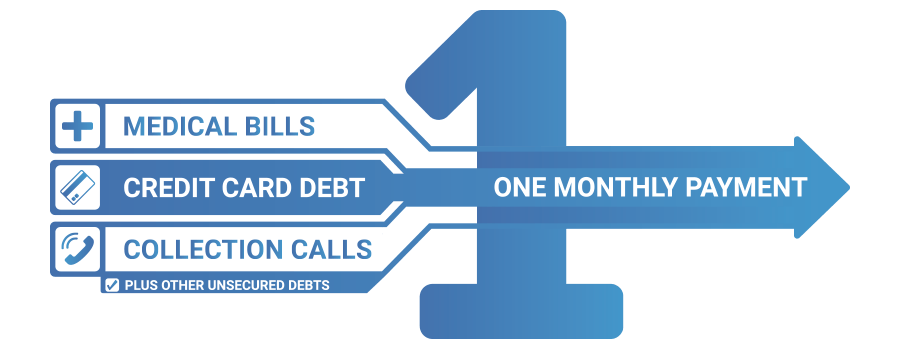
With a DMP, you make one month-to-month payment to the credit scores therapy company. Those funds are then dispersed to financial institutions of your unsafe financial obligations, such as credit score cards and installment lendings. The firm works with your financial institutions to minimize rate of interest or forgo costs, yet some lenders might reject such concessions.
It can assist you pay down financial obligation if you're able to secure a financing price that's lower than the ordinary price of the accounts you're consolidating. You must avoid from racking up financial obligation on those newly removed accounts or your financial debt might grow also higher.

That provides you lots of time to get rid of or considerably minimize your balance while making interest-free settlements.
Widespread Myths Regarding Bankruptcy - An Overview
You might require it if your financial institution or a debt collector ever before tries to collect on the financial obligation in the future. The letter might prove you do not owe what the debt collector's documents show. Yes, for the most part, the internal revenue service thinks about forgiven financial debt as taxable revenue. When a loan provider forgives $600 or more, they are needed to send you Kind 1099-C.
Debt mercy or negotiation virtually always harms your credit. Anytime you clear up a debt for much less than you owe, it may show up as "resolved" on your credit history report and affect your credit history for 7 years from the date of negotiation. Your credit can additionally go down significantly in the months leading to the mercy if you drop behind on payments.
The 10-Minute Rule for Immediate Advice to Restore Your Credit
This situation typically results from underreporting revenue, not submitting returns on time, or discrepancies discovered during an IRS audit. The consequences of collecting tax financial debt are significant and can consist of tax liens, which provide the IRS a lawful claim to your home as safety and security for the financial debt.
Earnings and Bank Accounts IRS can levy (take) incomes and financial institution accounts to satisfy the debt. Residential property Seizure In severe situations, the Internal revenue service can take and sell property to cover the financial obligation.
Social Stigma Facing lawful activity from the Internal revenue service can carry social stigma. Employment Opportunities A bad credit report rating due to tire debt can limit work opportunities. Government Advantages Tax financial debt might influence qualification for government benefits, such as Social Safety and Medicaid.
What Does No-Cost Learning Financial planning for veterans in Florida living on pension or disability income Materials That Help Individuals Do?
The OIC considers numerous factors, consisting of the taxpayer's earnings, costs, property equity, and capacity to pay. Efficiently discussing an OIC can be complex, needing a thorough understanding of the IRS's guidelines and a solid argument for why your offer straightens with your capability to pay. It is necessary to keep in mind that not all applications are accepted, and the process calls for in-depth economic disclosure.
The internal revenue service analyzes your total financial scenario, including your revenue, costs, possession equity, and capability to pay. You must additionally be current with all filing and settlement requirements and not be in an open bankruptcy case. The IRS also considers your conformity background, examining whether you have a record of prompt filing and paying taxes in previous years.
An Unbiased View of Developing Your Journey to Freedom
The application procedure for a Deal in Concession includes several thorough steps. First, you need to finish and submit internal revenue service Form 656, the Deal in Concession application, and Kind 433-A (OIC), a collection info declaration for people. These types need comprehensive financial details, including information about your revenue, financial debts, expenditures, and properties.
Back taxes, which are unpaid tax obligations from previous years, can considerably increase your total internal revenue service financial obligation otherwise attended to promptly. This debt can accumulate rate of interest and late repayment charges, making the original quantity owed a lot bigger with time. Failure to repay tax obligations can result in the internal revenue service taking enforcement activities, such as issuing a tax obligation lien or levy against your property.
It is very important to deal with back tax obligations asap, either by paying the total owed or by setting up a layaway plan with the internal revenue service. By taking proactive actions, you can prevent the buildup of extra rate of interest and charges, and protect against much more aggressive collection actions by the internal revenue service.
One typical reason is the idea that the taxpayer can pay the complete quantity either as a round figure or via a layaway plan. The IRS also thinks about the taxpayer's revenue, costs, property equity, and future earning capacity. If these variables show that the taxpayer can pay for to pay greater than the used quantity, the internal revenue service is likely to deny the offer.
6 Simple Techniques For Support Available for Your Financial planning for veterans in Florida living on pension or disability income Journey
It is important to give exact and total details in your application and to talk to a tax obligation professional to boost the chances of acceptance. Handling internal revenue service financial debt can be complex and complicated. Tax experts, such as CPAs, tax obligation lawyers, or enlisted representatives, can provide invaluable aid. They have the experience to browse the complexities of tax obligation regulation and internal revenue service treatments.

Latest Posts
Everything about Their Team Method with Individuals
9 Simple Techniques For Is It Worthwhile vs Self-Guided Approaches
5 Easy Facts About Getting Help Via Certified Counselors Explained