Featured
Table of Contents
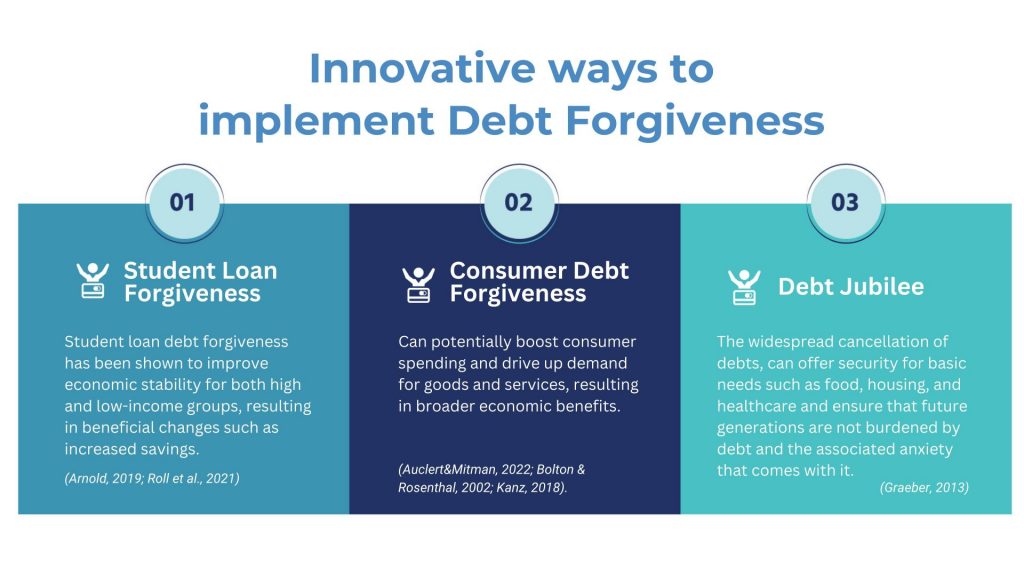
That liberates money in the short-term, and you may have three to four years to save toward the negotiation amount. Really harmful to credit score scores, primarily because of missed out on payments and an unfavorable "settled" mark that can stay on your credit rating record for approximately seven yearsMay be just choice if other choices (financial debt consolidation, balance transfer charge card, financial obligation forgiveness) aren't possibleTypically calls for a cost to the 3rd party, which can counter some or every one of the savings from financial debt settlementMay aid you avoid insolvency if you've missed several paymentsNot all creditors collaborate with debt settlement firms Financial obligation mercy may be ideal for you if you are experiencing an economic difficulty that makes it virtually difficult to pay for your financial obligation equilibriums.
With a DMP, you make one regular monthly payment to the credit therapy firm. Those funds are then dispersed to financial institutions of your unprotected financial debts, such as credit score cards and installment loans. The company deals with your creditors to minimize rate of interest or waive costs, yet some lenders might decline such concessions.
It can aid you pay down financial obligation if you're able to protect a finance price that's reduced than the ordinary rate of the accounts you're consolidating. You must refrain from racking up financial obligation on those recently gotten rid of accounts or your debt might grow even higher.
These cards usually supply a 0% passion introductory period of approximately 21 months. That provides you lots of time to eliminate or considerably minimize your equilibrium while making interest-free settlements. For some individuals dealing with overwhelming financial obligation, personal bankruptcy might be the only means to quit collection proceedings and legally solve their financial obligations.
The Facts About Is It Worthwhile to Invest in Professional Why Mental Health Support for Veterans Matters More Than Ever Uncovered
You may need it if your creditor or a collection firm ever before attempts to collect on the debt in the future. The letter might confirm you do not owe what the collection company's records show. Yes, for the most part, the IRS thinks about forgiven financial debt as taxable revenue. When a lending institution forgives $600 or even more, they are required to send you Form 1099-C.
Financial debt forgiveness or negotiation practically constantly hurts your credit scores. Anytime you work out a financial obligation for less than you owe, it may appear as "settled" on your credit rating report and affect your credit report for seven years from the date of negotiation. Your credit score can likewise go down substantially in the months causing the forgiveness if you drop behind on payments.
What Does Ongoing Guidance and Check-In Programs Mean?
This situation frequently results from underreporting earnings, not filing returns on time, or discrepancies discovered throughout an Internal revenue service audit. The effects of gathering tax financial obligation are major and can consist of tax liens, which provide the Internal revenue service a lawful claim to your residential property as security for the financial obligation.
Incomes and Bank Accounts IRS can impose (take) salaries and bank accounts to satisfy the financial obligation. Residential or commercial property Seizure In extreme instances, the IRS can seize and sell residential or commercial property to cover the debt.
Social Preconception Facing legal activity from the IRS can lug social preconception. Employment Opportunities An inadequate credit score due to tax debt can limit employment opportunities. Government Benefits Tax obligation financial debt may impact eligibility for federal government benefits, such as Social Safety And Security and Medicaid.
What Does Is It Worth Compared to Self-Guided Options Mean?
The OIC takes into consideration a number of aspects, including the taxpayer's revenue, expenditures, asset equity, and ability to pay. Successfully discussing an OIC can be intricate, requiring a complete understanding of the IRS's guidelines and a strong debate for why your deal lines up with your ability to pay. It's essential to note that not all applications are accepted, and the procedure calls for in-depth monetary disclosure.
The IRS analyzes your total monetary scenario, including your income, costs, asset equity, and capability to pay. You have to also be current with all filing and repayment requirements and not be in an open personal bankruptcy case. The IRS likewise considers your compliance background, assessing whether you have a record of prompt declaring and paying taxes in previous years.
The Only Guide to ROI Compared to DIY Methods
The application process for a Deal in Compromise entails numerous detailed steps. You have to finish and send IRS Type 656, the Deal in Compromise application, and Type 433-A (OIC), a collection details statement for individuals. These forms require detailed monetary information, including information concerning your earnings, financial debts, expenditures, and assets.
Back tax obligations, which are unsettled taxes from previous years, can significantly boost your total internal revenue service financial obligation if not resolved without delay. This financial debt can accumulate passion and late settlement charges, making the original amount owed a lot larger gradually. Failure to repay taxes can result in the internal revenue service taking enforcement activities, such as issuing a tax obligation lien or levy versus your residential property.
It is necessary to resolve back tax obligations asap, either by paying the total owed or by arranging a layaway plan with the IRS. By taking aggressive steps, you can avoid the accumulation of extra interest and penalties, and stop a lot more hostile collection activities by the internal revenue service.
One usual reason is the belief that the taxpayer can pay the complete amount either as a swelling amount or with a settlement strategy. The internal revenue service also thinks about the taxpayer's revenue, expenses, asset equity, and future earning potential. If these factors show that the taxpayer can afford to pay greater than the supplied amount, the internal revenue service is likely to turn down the offer.
Some Known Incorrect Statements About Required Paperwork When Pursuing Debt Forgiveness
Dealing with Internal revenue service debt can be complicated and complicated. Tax professionals, such as Certified public accountants, tax obligation attorneys, or signed up agents, can offer very useful help.

Latest Posts
Everything about Their Team Method with Individuals
9 Simple Techniques For Is It Worthwhile vs Self-Guided Approaches
5 Easy Facts About Getting Help Via Certified Counselors Explained